
Trusted Virginia Personal Injury Lawyers
Your Virginia Personal Injury Lawyers


4.9
Based on 200+ Reviews
- No Upfront Fees – We Only Get Paid When You Win
- Direct Access To Your Client Portal Throughout Your Case
- Proven Track Record of Successful Verdicts and Settlements
 Schedule Free Case Review
Why Osterbind Law?
We’re not your typical personal injury firm. Here’s what makes us different:

We are relationship-driven. We live in the community we serve.
We communicate effectively. You deserve to be involved.
We are ready. We prepare every case as if it were going to trial.

What do you really need?
When you are injured, become disabled, or lose a loved one, you need to know what the insurance company can and cannot do under the law.
You may need a car accident lawyer? You may need a workers compensation lawyer. You may need a Disability Lawyer.
In the wake of trauma, we find that folks can get better only when they can focus on recovery. Our firm of Lynchburg personal injury lawyers at Osterbind Law, PLLC actually helps people who have been injured or who are disabled.
Practice Areas
For more practice areas, check under the “Practice Area” tab on the menu. We Are Your Central Virginia Personal Injury Lawyers & ERISA Disability Lawyers.






The Attorneys Who Will Fight For You

Meet the experienced legal team dedicated to protecting your rights and securing maximum compensation
Our attorneys are more than just legal professionals—they’re advocates who genuinely care about your wellbeing and recovery. Each member of our team brings specialized knowledge, courtroom experience, and a track record of successful outcomes for clients throughout Virginia.







Case Results

Rated 5 Stars by Our Clients
Don’t just take our word for it—see what our clients have to say about their experience with Osterbind Law.

“Outstanding legal representation! They handled my case with professionalism and got me the settlement I deserved.”
John Smith
February 2026
“I highly recommend Osterbind Law. They truly care about their clients and fight hard for justice.”
Maria Garcia
January 2026
“Best decision I made was hiring this firm. They were responsive, knowledgeable, and achieved an excellent outcome.”
Robert Johnson
January 2026
Legal Insights & News
Stay informed with our expert legal guides, articles, and updates on personal injury law in Virginia.
-
How Much Is My Car Accident Case Worth?
If you’ve been injured in a car accident, one of the first questions you may have is: “How much is my case worth?” It’s an…
-

How to Get Long-Term Disability Benefits in Virginia
Most people think getting long-term disability benefits is about proving you’re sick. It’s not. It’s about proving (on paper) that you meet your policy’s definition…
-
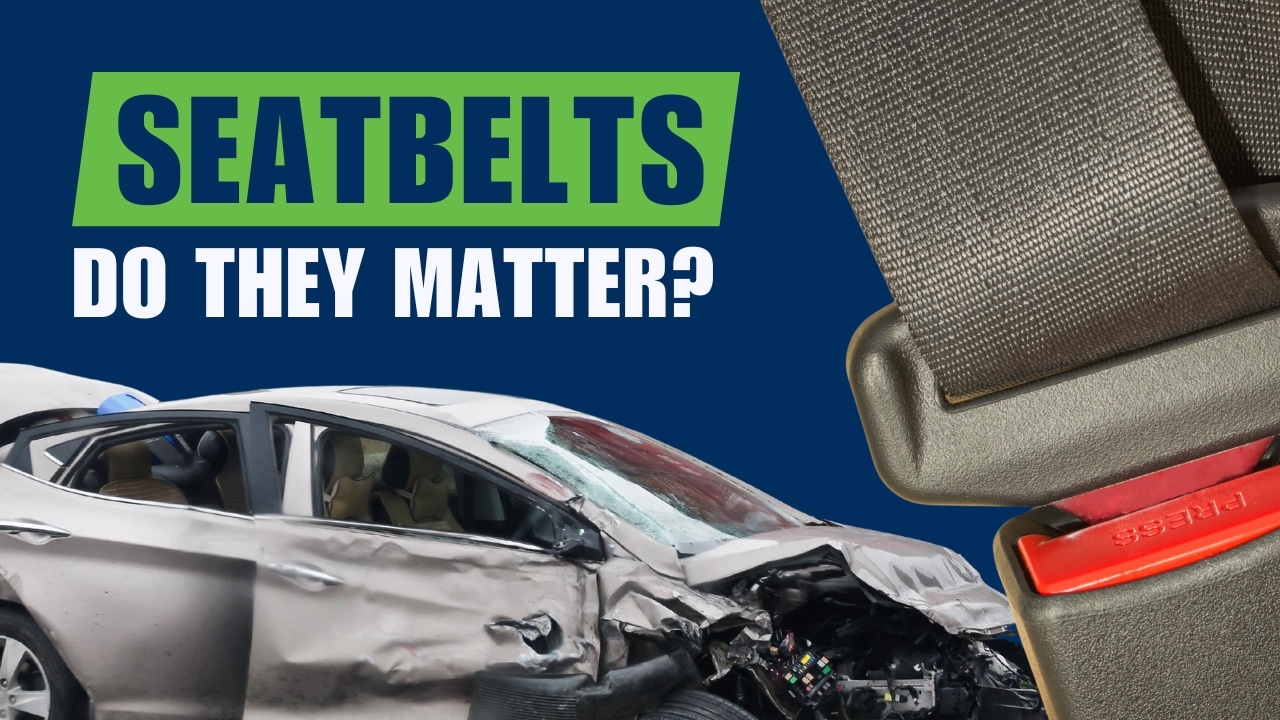
Does Not Wearing a Seatbelt Ruin Your Case in Virginia?
After a car accident, one of the first thoughts many people have is: “I wasn’t wearing a seatbelt… did I just ruin my case?” It’s…

Get Your Free Strategy Session
Don’t wait to get the legal help you need. Contact us today for a free case review. We’re here to answer your questions and discuss your case.

 Call Us
 Visit Us
Contact Us Today
Fill out the form below and one of our experienced attorneys will contact you within 24 hours to discuss your case.
Areas We Serve in Virginia
While our office is located in Virginia, we proudly represent injury victims throughout Virginia, including:
Lynchburg
Richmond
Charlottesville
Roanoke
Blacksburg
Danville
Bedford
Appomattox
Campbell County
Amherst County
Nelson County
Halifax County
Our Core Values
At Osterbind Law, our values guide everything we do. We believe that exceptional legal representation goes beyond courtroom skills— it requires genuine care for the people we serve.

Driven

Courageous

Invested

Common Questions About Personal Injury Cases
Find answers to the most common questions we receive from clients. If you don’t see your question here, don’t hesitate to contact us.
How much do personal injury lawyers cost?
You pay a personal injury attorney around 1/3 of whatever is recovered in the case. Often fees escalate to 40% at some point in time during the life of the case.
It’s important to distinguish between costs and fees. While fees are based on the recovery amount, costs include expenses incurred during the case, such as obtaining medical records, paying court reporters, or deposing witnesses.
In Virginia, it’s deceptive to claim “No recovery, no fee” without distinguishing between fees and costs. Lawyers advance the costs of the case but must recover these costs from the client, regardless of the case outcome.
Do I have to go to court to recover?
You don’t always have to go to court to recover for your personal injury case. We resolve most cases outside of court. Only a very small number of cases are litigated to a verdict at trial.
The deciding factor often involves insurance companies. They may either agree to pay a reasonable value for your case or refuse to do so.
Even with the same insurance company, outcomes can differ greatly—reasonable in one case and unreasonable in another.
While most cases are settled without going to court, there are exceptions where going to court is the only option due to the insurance company’s refusal to act reasonably.
Am I required to give a statement to the insurance adjuster?
You are not legally required to provide a statement to insurance adjusters following a personal injury incident. Despite claims from adjusters that a statement is necessary to process claims, legally, such a statement is not a prerequisite.
The primary aim behind adjusters seeking recorded statements is to potentially find evidence suggesting the claimant was at fault or not as injured as claimed. This task becomes particularly challenging in the immediate aftermath of an accident when the full extent of injuries may not be evident. Take caution and consult with an attorney before giving any recorded statements to an insurance adjuster.
How long does it take to resolve my personal injury case?
The time it takes to resolve a personal injury case can vary greatly. Factors that influence the duration include the extent of your injuries, how long you need to recover, and whether your case settles quickly or goes to court.
Our goal is to resolve cases within 12 to 18 months after you’ve reached maximum medical improvement, meaning you’ve recovered as much as expected.The timeline can be shorter or longer depending on the complexity of the case and whether the insurance company makes a fair offer early on. However, if we need to file a lawsuit, expect at least a year to get a court date, plus time for negotiations beforehand.
What happens if I’m injured by a drunk driver?
If you’re involved in a drunk driving incident, immediately go to the hospital to check for injuries. Follow all treatments recommended by healthcare professionals, including any specialist visits.
Law enforcement will investigate the incident, including conducting sobriety tests on the other driver. This process is crucial for any legal action.
In Virginia, if injured by a drunk driver, you’re entitled to both economic damages (such as medical expenses and lost wages) and non-economic damages (like pain and suffering). Moreover, you may qualify for punitive damages, which aim to punish the offender and deter such behavior in the future. Punitive damages are capped at $350,000, however.
How do I pay for my medical bills after a wreck?
If you’re dealing with medical bills after a car accident and are unsure how to cover these costs, here are some steps you can take. Firstly, submit any medical bills to your health insurance provider. If you don’t have health insurance, your next step is to check your car insurance policy for medical expense payments coverage, often referred to as “med pay.” This coverage can help pay for your medical bills up to a certain amount, which varies by policy. It’s worth noting that if you have multiple cars on your policy, you might be able to combine (“stack”) the med pay coverage from each vehicle to increase the total coverage available for your medical expenses. Even if you have health insurance, med pay can cover additional expenses not paid by your health insurer, such as deductibles and co-pays.